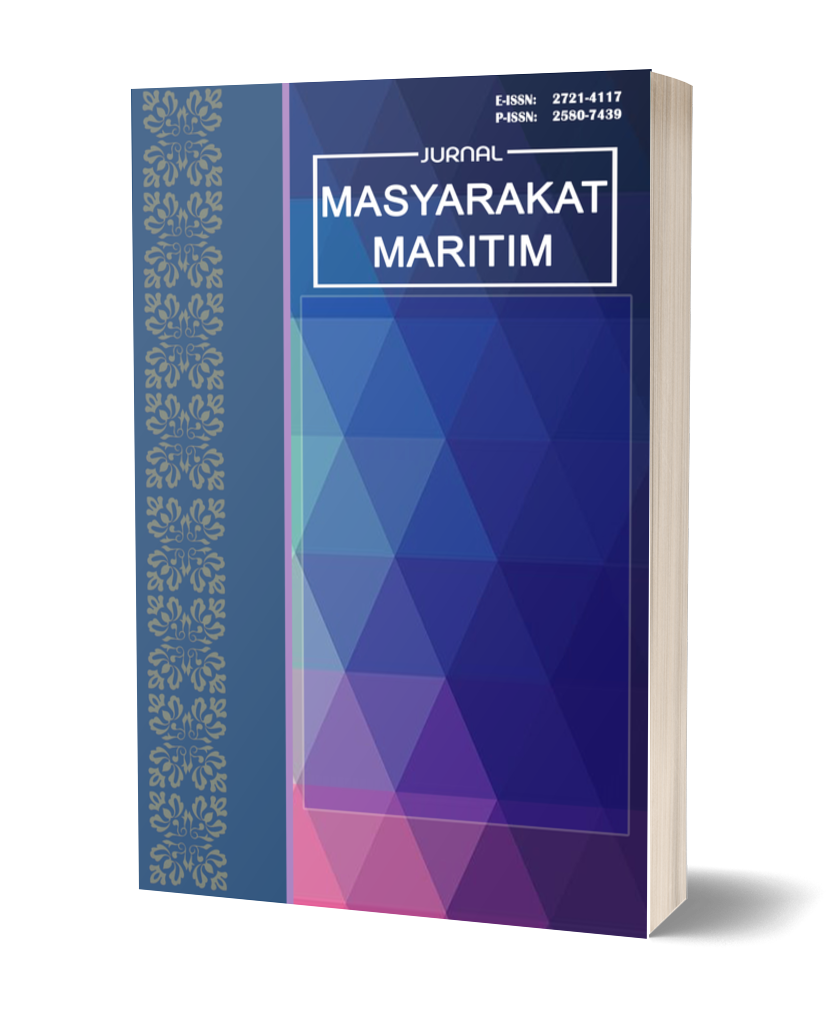
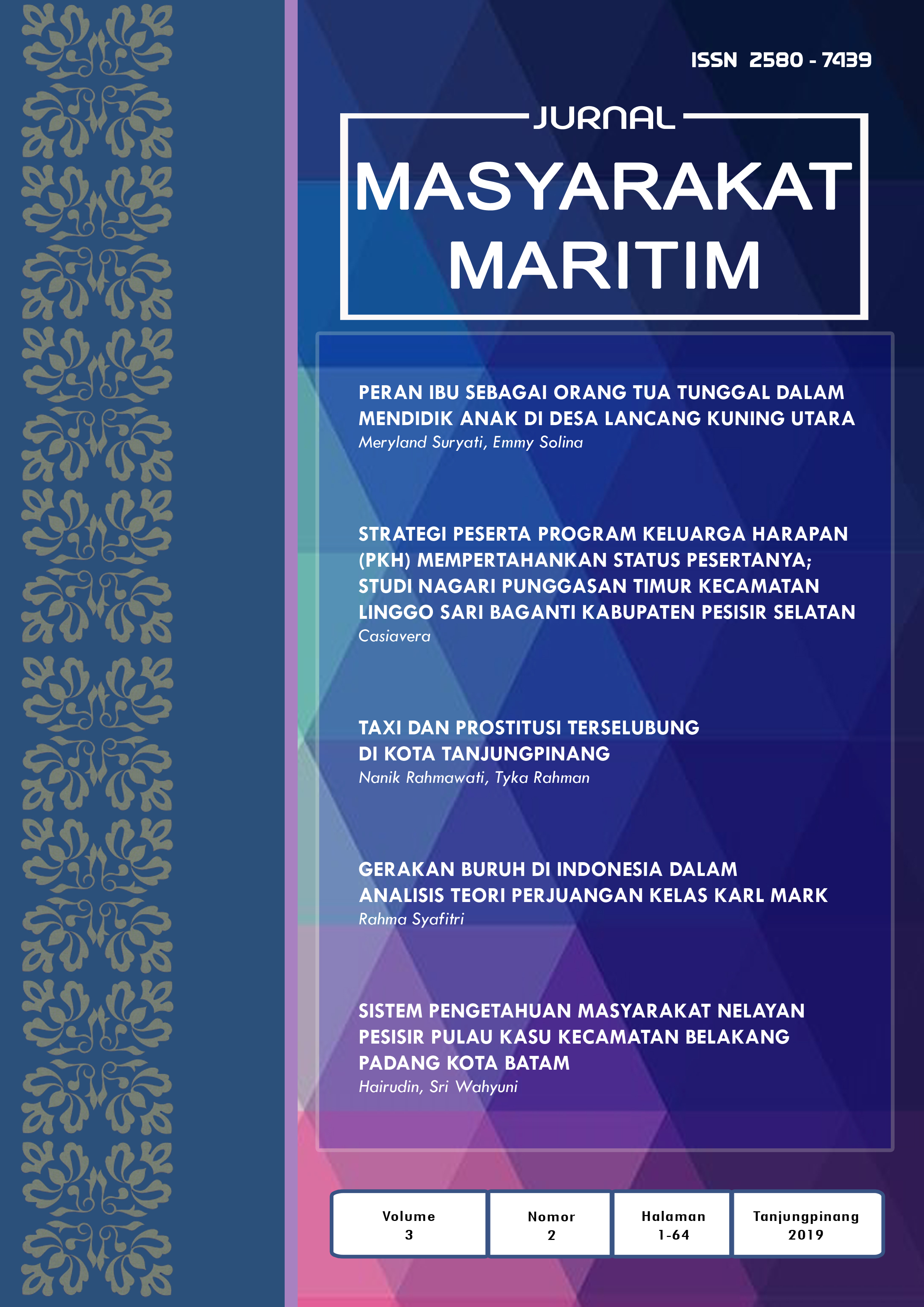
Strategi Peserta Program Keluarga Harapan (PKH) Mempertahankan Status Pesertanya; Studi Nagari Punggasan Timur Kecamatan Linggo Sari Baganti Kabupaten Pesisir Selatan
DOI:
https://doi.org/10.31629/jmm.v3i2.1716Keywords:
Strategy, Participant, CTTAbstract
This study explains about PKH recipients’ strategy to accept the assistance and not to be graduated. This study used the qualitative approach using descriptive type. Informants are chosen based on purposive sampling technique while data collection applies observation technique and in-depth interview (loosely structured interview). It uses Structuration theory proposed by Anthony Giddens which focuses on duality relation between agent and structure.
Downloads
References
Cangara, H. (2013). Perencanaan dan Strategi Komunikasi. Depok: PT Raja Grafindo Persada.
Priyono & Herry, B. (2002). “Anthony Giddens Suatu Pengantarâ€. Kepustakaan Populer Gramedia: Jakarta.
Ritzer, G. (2010). Sosiologi Ilmu Pengetahuan Berparadigma Ganda. Jakarta: PT Raja Grafindo Persada.
Sajogyo. (1996) Garis Kemiskinan dan Kebutuhan Minimum Pangan. Yogyakarta: Aditya Media.
Sjafri, Agus. (2014). Kemiskinan dan Pemberdayaan Kelompok. Yogyakarta: Graha Ilmu.
Soeharto, E. (2009). Kemiskinan dan Perlindungan Sosial di Indonesia (Menggagas Model Jaminan Sosial Universal Bidang Kesehatan). Bandung: Alfabeta.
Soeharto, E. (2010). Analisis Kebijakan Publik Panduan Praktis Mengkaji Masalah dan Kebijakan Sosial. Bandung: Alfabeta
Soetomo. (2006). Srategi-strategi Pembangunan Masyarakat. Yogyakarta: Pustaka Pelajar.
Dokumen
Kementerian Sosial Republik Indonesia, Pedoman Operasional Penyaluran Dana Bantuan Program Keluarga Harapan (PKH) tahun 2013.
Kementerian Sosial Republik Indonesia, Materi Pelatihan Training of Trainer Tenaga Pendamping Program Keluarga Harapan (PKH) tahun 2014
Downloads
Published
Issue
Section
License
This work is licensed under a Creative Commons Attribution-ShareAlike 4.0 International License.
You are free to:
- Share — copy and redistribute the material in any medium or format for any purpose, even commercially.
- Adapt — remix, transform, and build upon the material for any purpose, even commercially.
- The licensor cannot revoke these freedoms as long as you follow the license terms.
Under the following terms:
- Attribution — You must give appropriate credit, provide a link to the license, and indicate if changes were made . You may do so in any reasonable manner, but not in any way that suggests the licensor endorses you or your use.
- ShareAlike — If you remix, transform, or build upon the material, you must distribute your contributions under the same license as the original.
- No additional restrictions — You may not apply legal terms or technological measures that legally restrict others from doing anything the license permits.