Innovative approaches for learning: Strengthening numeracy literacy with creative problem solving
DOI:
https://doi.org/10.31629/jg.v11i1.7947Keywords:
creative problem solving, innovative learning, mathematics education, numeracy, SLETVAbstract
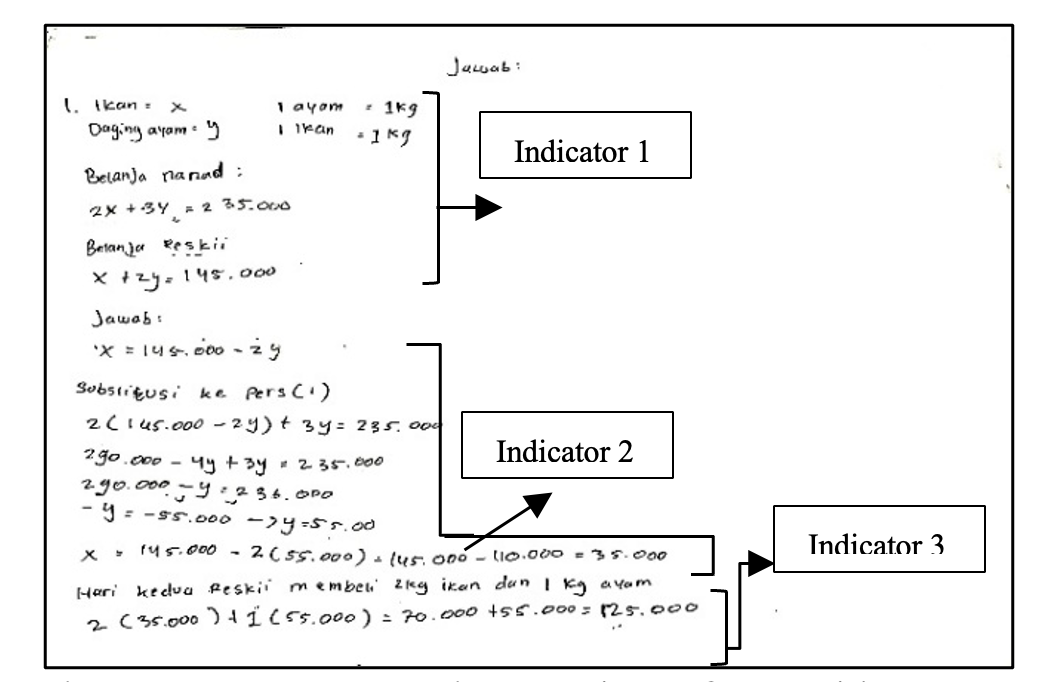
Numeracy literacy is one of the essential skills students must possess to use numbers and mathematical symbols to solve everyday problems, present information in various forms such as tables, graphs, or charts, and interpret analysis results as a basis for decision-making. However, students' numeracy literacy skills still need to be strengthened through the application of innovative, problem-solving-centered learning models. Therefore, this study aims to describe students' numeracy skills by applying the Creative Problem Solving (CPS) model to the topic of Systems of Linear Equations with Two Variables (SLETV). This study employed a descriptive method involving 33 ninth-grade students. Learning activities were designed by integrating the CPS model's stages into the SLETV problem-solving process. Data was collected through a test developed based on numeracy literacy indicators, then analyzed and categorized into five categories: very good, good, sufficient, insufficient, and very insufficient. The results indicate that the CPS model positively impacts students' numeracy literacy skills, particularly in representing, interpreting, and applying mathematical information in real-life contexts. Based on these findings, this study recommends using innovative approaches, such as CPS, in mathematics instruction to strengthen students' numeracy skills when studying the System of Linear Equations with Two Variables.
Downloads
References
Aini, H. N., Sari, C. K., Ishartono, N., & Setyaningsih, R. (2024). Kemampuan berpikir kritis dalam memecahkan masalah berorientasi numerasi pada konten aljabar. Jurnal Cendekia: Jurnal Pendidikan Matematika, 8(1), 841–853. https://doi.org/10.31004/cendekia.v8i1.2531
Aini, V., Hidayat, T., Kusnadi, K., Williams, C., & Hadibarata, T. (2024). Analysis of numeracy literacy skills of high school students in biodiversity material based on minimum competency assessment questions. Jurnal Pendidikan IPA Indonesia, 13(1), 128–136. https://doi.org/10.15294/jpii.v13i1.49265
Arofa, A. N. (2022). Kemampuan numerasi siswa MA dalam menyelesaikan soal setara asesmen kompetensi minimum pada konten aljabar. Jurnal Ilmiah Pendidikan Matematika, 11(3). https://doi.org/10.26740/mathedunesa.v11n3.p779-793
Charoentham, M., Kantathanawat, T., Pimdee, P., & Apisuksakul, K. (2025). Enhancing teaching and supervisory staff’s creative problem-solving skills. Emerging Science Journal, 9(Special Issue), 112–133. https://doi.org/10.28991/ESJ-2025-SIED1-07
Christina, M., Nindiasari, H., & Sultan Ageng Tirtayasa University. (2022). Efektivitas flipped classroom diintegrasikan model creative problem solving terhadap kemampuan numerasi siswa SMA. Jurnal Ilmiah Wahana Pendidikan, 8(22), 325–332. https://doi.org/10.5281/zenodo.7339166
Ersoy, E., & Kara, D. Ö. (2026). The effect of the creative problem-solving approach on creative thinking skills. Frontiers in Psychology, 17. https://doi.org/10.3389/fpsyg.2026.1734855
Fauzi, F. G., Melyana, F., Rahmawati, D., Yasmin, S., & Nurrahmah, A. (2021). Analisis literasi numerasi siswa kelas VIII di SMP Petri Jaya Jakarta Timur pada konten aljabar. Himpunan: Jurnal Ilmiah Mahasiswa Pendidikan Matematika, 2(1), 83–91.
Hamid, A., Octavianti, C. T., & Nagha, Y. J. (2025). Influence of psychological well-being and school factors on delinquency during the COVID-19 period among secondary school students in selected schools in Nakuru County, Kenya. International Journal of Research and Innovation in Social Science (IJRISS), 7, 1175–1189. https://doi.org/10.47772/IJRISS
Hurrell, D. (2021). Conceptual knowledge or procedural knowledge or conceptual knowledge and procedural knowledge: Why the conjunction is important to teachers. Australian Journal of Teacher Education, 46(2), 57–71. https://doi.org/10.14221/ajte.2021v46n2.4
Iswara, H. S., Ahmadi, F., & Ary, D. D. (2022). Numeracy literacy skills of elementary school students through ethnomathematics-based problem solving. Interdisciplinary Social Studies, 2(2), 1604–1616. https://doi.org/10.55324/iss.v2i2.316
Jupri, A., Sispiyati, R., & Chin, K. E. (2021). An investigation of students' algebraic proficiency from a structural perspective. Journal on Mathematics Education, 12(1), 147–158. https://doi.org/10.22342/jme.12.1.13125.147-158
Kementerian Pendidikan, Kebudayaan, Riset, dan Teknologi. (2023). Laporan PISA 2022 Kemendikbudristek. https://lpmpdki.kemdikbud.go.id/pisa-2022-dan-pemulihan-pembelajaran-di-indonesia/
Khalid, M., Saad, S., Abdul Hamid, S. R., Ridhuan Abdullah, M., Ibrahim, H., & Shahrill, M. (2020). Enhancing creativity and problem-solving skills through creative problem-solving in teaching mathematics. Creativity Studies, 13(2), 270–291. https://doi.org/10.3846/cs.2020.11027
Lihawa, N. J., Zakaria, P., & Kobandaha. (2025). Meningkatkan kemampuan numerasi matematika siswa melalui pendekatan problem-based learning. Research in Mathematical and Natural Sciences, 4(1), 37–46. https://doi.org/10.55657/rmns.v4i1.195
Lubis, N, A., & Ahmad, N, Q., Rahmani, J. (2018). Peningkatan kemampuan pemecahan masalah matematis siswa dengan menggunakan model pembelajaran creative problem solving pada materi SPLDV di kelas VIII SMP Negeri 2 Takengon. Jurnal As-Salam, 2(2). https://doi.org/10.37249/as-salam.v2i2.30
Meryansumayeka, Aisyah, N., Pratiwi, W. D., Kurniadi, E., Azma, R. T. R., & Khairida. (2025). Peningkatan kemampuan numerasi materi sistem persamaan linier dengan penerapan problem-based learning berbantuan media ICT. Supremum Journal of Mathematics Education, 9(1), 117–131. https://doi.org/10.35706/sjme.v9i1.92
Nurrijal, N., Setyosari, P., Kuswandi, D., & Ulfa, S. (2023). Creative problem-solving process instructional design in the context of blended learning in higher education. Electronic Journal of e-Learning, 21(2), 80–97. https://doi.org/10.34190/ejel.21.2.2653
OECD. (2023). PISA 2022 results (Vol. I). OECD Publishing. https://doi.org/10.1787/53f23881-en
Prasetyani, E., Hartono, Y., & Susanti, E. (2016). Kemampuan berpikir tingkat tinggi siswa kelas XI dalam pembelajaran trigonometri berbasis masalah di SMA Negeri 18 Palembang. Jurnal Gantang, 1(1), 31–40. https://doi.org/10.31629/jg.v1i1.4
Pusat Asesmen dan Pembelajaran. (2020). AKM dan implikasinya pada pembelajaran. https://pusmendik.kemdikbud.go.id/an/page/asesmen_kompetensi_minimum
Rachmawati, F. K., Lestari, N. D. S., Oktavianingtyas, E., Trapsilasiwi, D., & Murtikusuma, R. P. (2024). Profil literasi numerasi siswa SMA dalam menyelesaikan soal AKM konten aljabar berdasarkan kemampuan matematika. JIPM (Jurnal Ilmiah Pendidikan Matematika), 12(2), 294–307. https://doi.org/10.25273/jipm.v12i2.18983
Ramdhan, M. (2021). Metode penelitian (A. A. Effendy, Ed.). Cipta Media Nusantara.
Rohana, Hartono, Y., & Nugraha, I. A. (2021). Kemampuan pemecahan masalah matematis siswa melalui pembelajaran berbasis masalah. Indiktika: Jurnal Inovasi Pendidikan Matematika, 3(2), 169–179. https://doi.org/10.31851/indiktika.v3i2.5443
Sanvi, A. H., & Diana, A. (2022). Analisis kemampuan numerasi pada materi matriks ditinjau berdasarkan kemampuan awal matematika. Jurnal Pendidikan Matematika, 3(2), 129–145.
Setyaningsih, N., & Mukodimah, T. D. (2022). Instrumen asesmen higher order thinking skills (HOTS) berbasis literasi matematika pada SPLDV. AKSIOMA: Jurnal Program Studi Pendidikan Matematika, 11(3), 1739–1752. https://doi.org/10.24127/ajpm.v11i3.5447
Shahira, S. P., Sumaji, S., & Ulya, H. (2024). Efektivitas model pembelajaran creative problem solving berbantuan media Permath Apps terhadap kemampuan numerasi matematis. Kognitif: Jurnal Riset HOTS Pendidikan Matematika, 4(3). https://doi.org/10.51574/kognitif.v4i3.1720
Takaria, J., Wahyudin, Sabandar, J., & Dahlan, J. A. (2020). Relationship between statistical literacy and mathematical representation of students through collaborative problem-solving model. Infinity Journal, 9(2), 183–196. https://doi.org/10.22460/infinity.v9i2.p183-196
Wahyuni, D., Septiati, E., & Octaria, D. (2024). Pengaruh model PBL (problem-based learning) terhadap kemampuan literasi numerasi peserta didik SMP melalui soal cerita. Jurnal Cendekia: Jurnal Pendidikan Matematika, 8(2), 1579–1589. https://doi.org/10.31004/cendekia.v8i2.2721
Winata, A., Widiyanti, I. S. R., & Sri Cacik. (2021). Analisis kemampuan numerasi dalam pengembangan soal asesmen kompetensi minimum pada siswa kelas XI SMA untuk menyelesaikan permasalahan science. Jurnal Educatio FKIP UNMA, 7(2), 498–508. https://doi.org/10.31949/educatio.v7i2.1090
Wulandari, A. N. (2023). Pengaruh model pembelajaran creative problem solving terhadap kemampuan numerasi siswa. Jurnal Fakultas dan Ilmu Pendidikan Universitas Bakti Indonesia Banyuwangi, 2(1), 18–27.
Zulfayani, Z., Ariawan, R., Nufus, H., Nurdin, E., & Fitriani, D. (2024). Analisis kemampuan metakognisi siswa dalam pemecahan masalah matematika ditinjau dari tipe kepribadian ekstrovert dan introvert. Jurnal Cendekia: Jurnal Pendidikan Matematika, 8(1), 759–777. https://doi.org/10.31004/cendekia.v8i1.2678
Downloads
Published
Issue
Section
License
Copyright (c) 2026 Jurnal Gantang

This work is licensed under a Creative Commons Attribution-NonCommercial-ShareAlike 4.0 International License.